Newest events at the top. Click a thumbnail for the large file. Page 1 covers 2026 back to early 2020; older notes are on page 2.
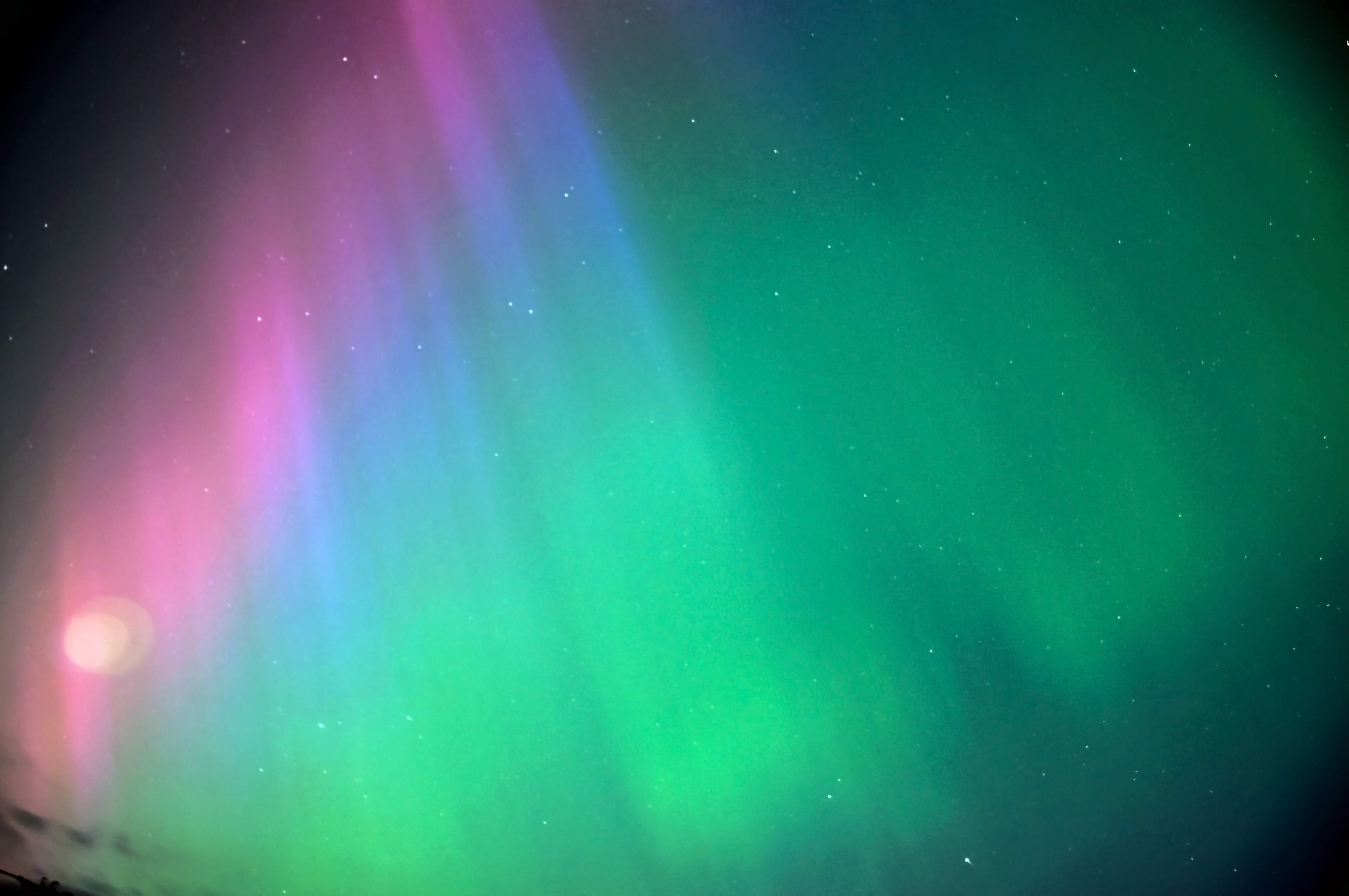
10 October 2026 · Anniversary Aurora
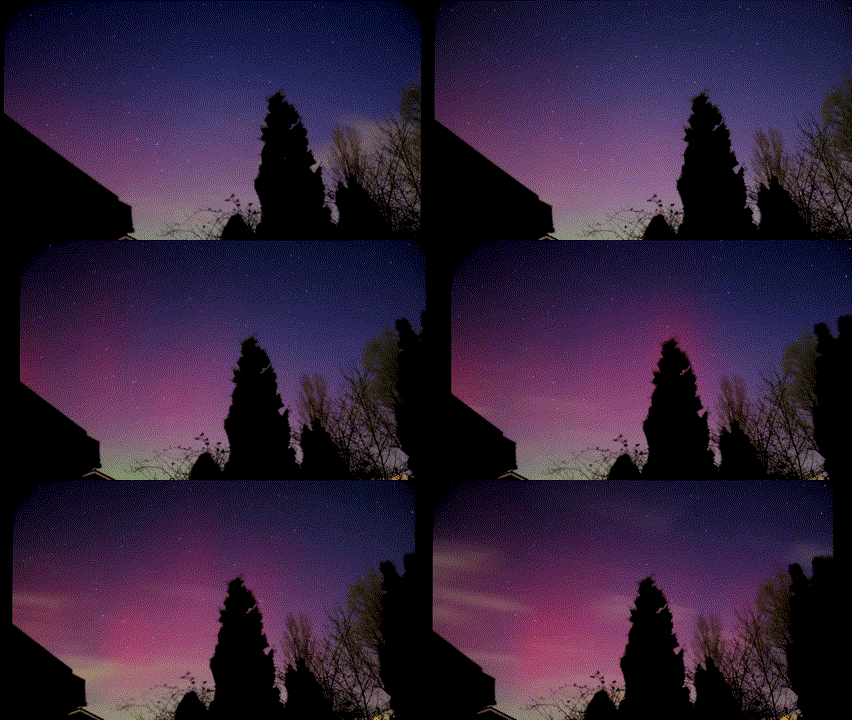
Aurora · 2 years to the day, since the big one
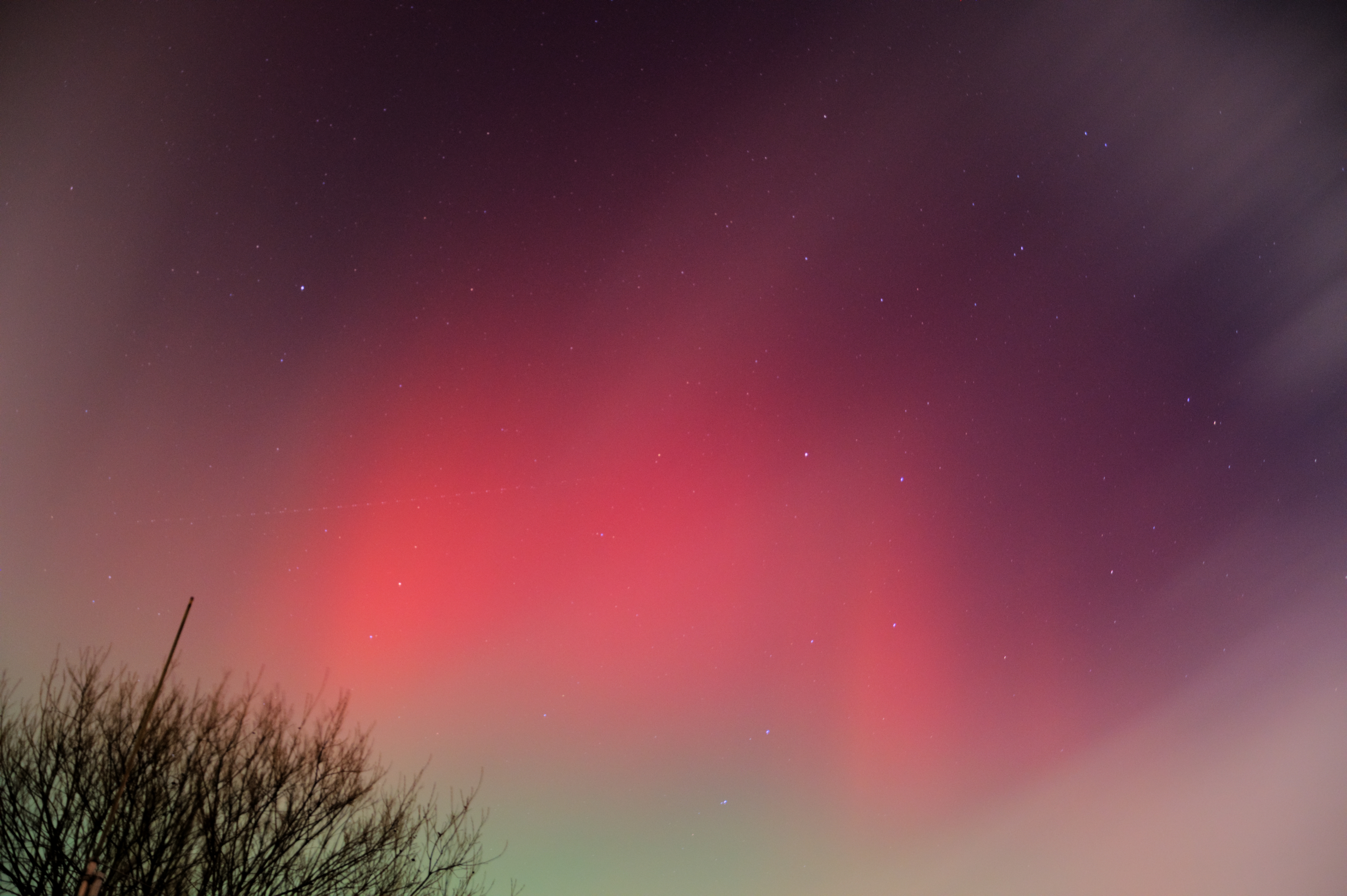
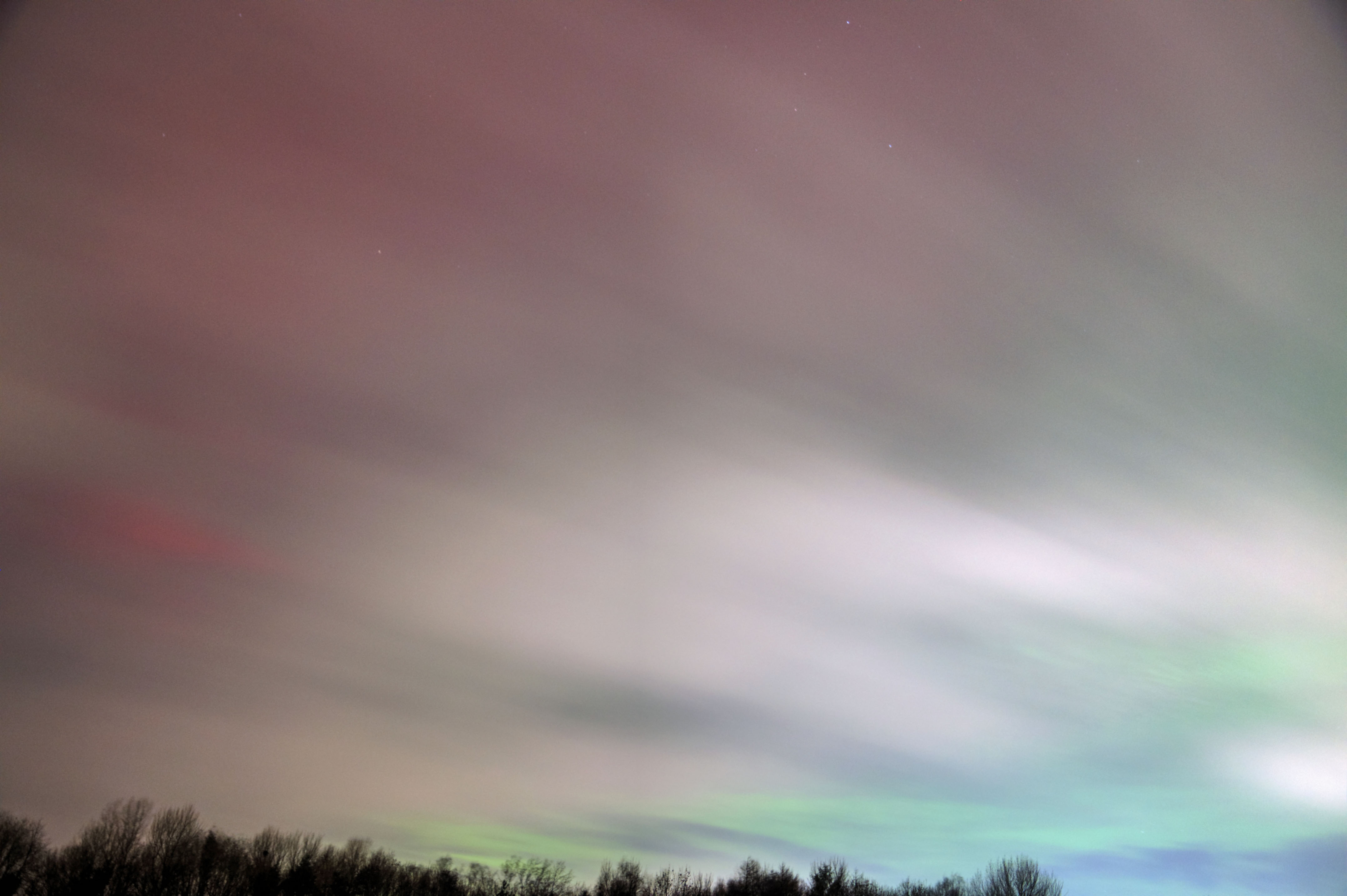
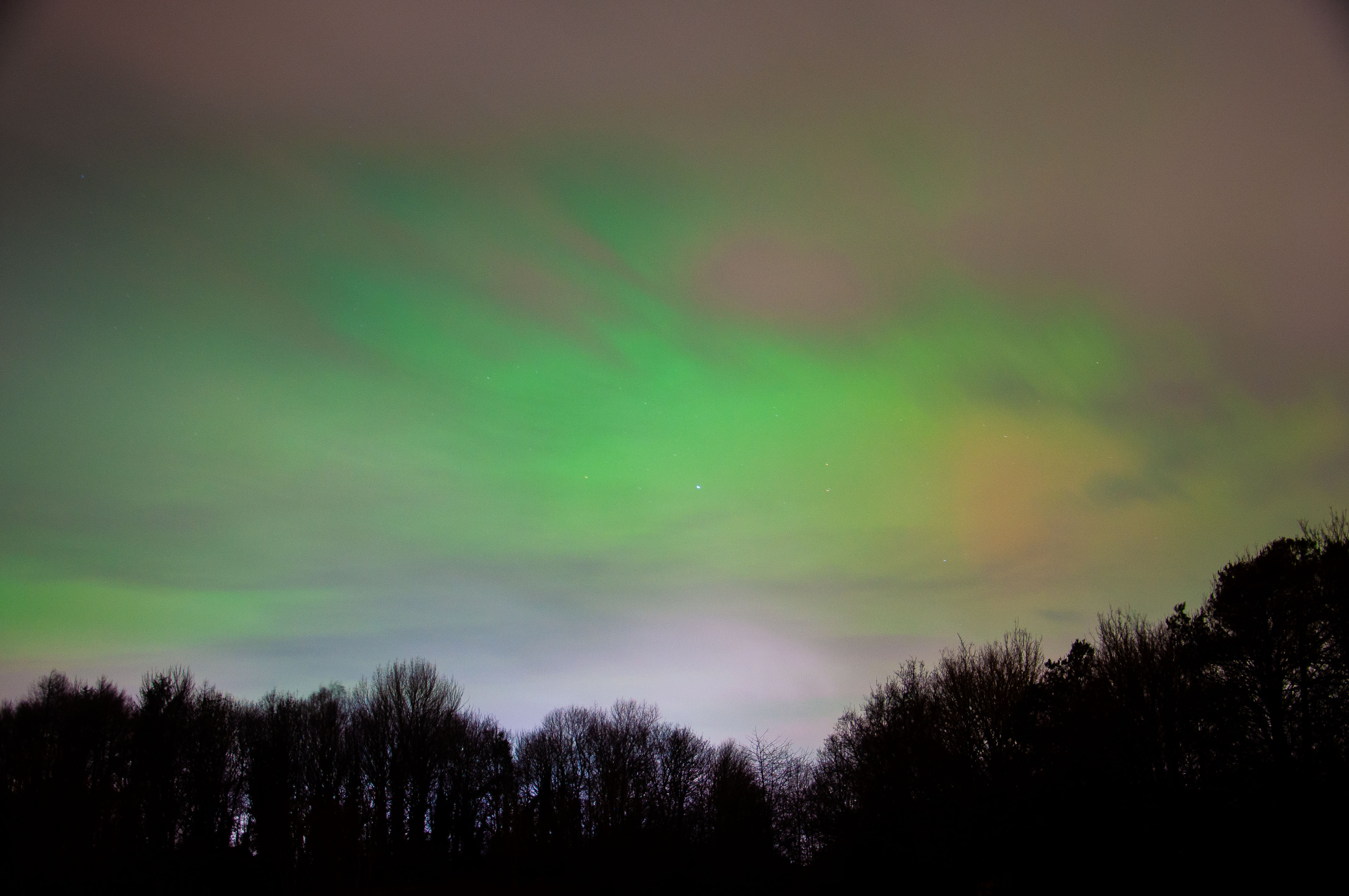
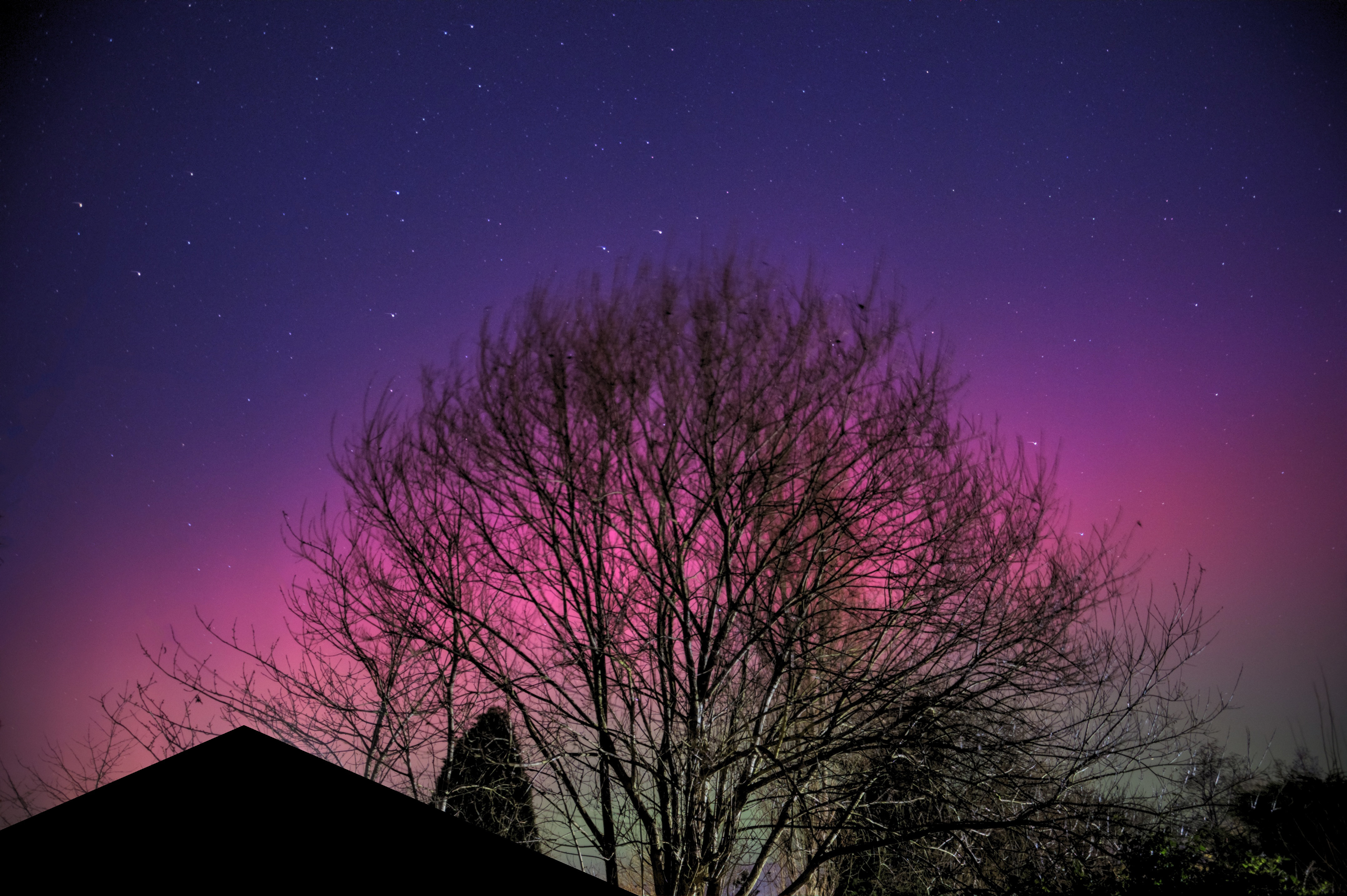
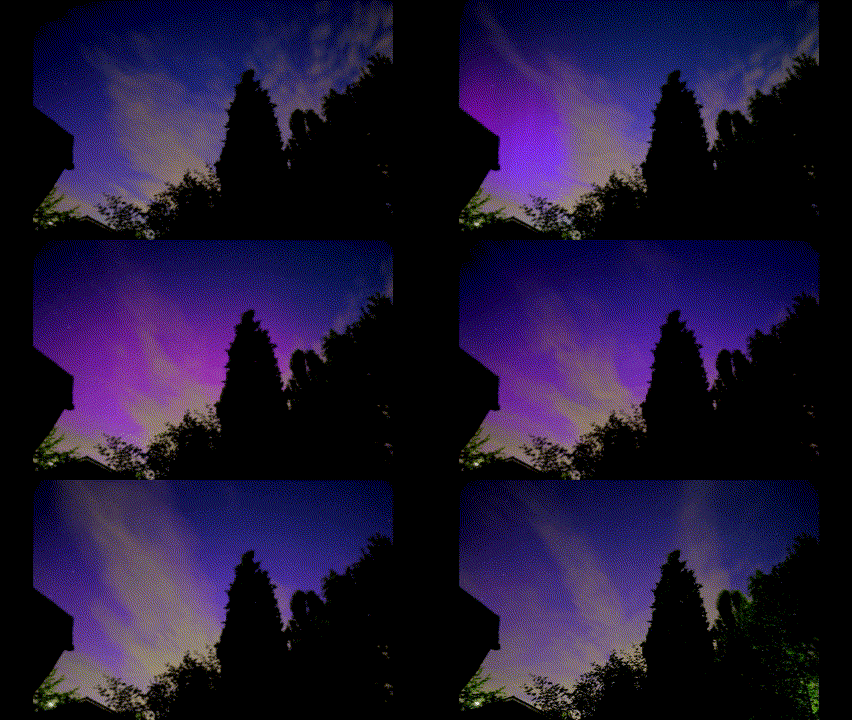
Tonight’s slightly unexpected aurora resulted from a full-halo CME launched from the Sun a few days ago. The associated M-class solar flare was not particularly strong, but its effects may have been enhanced by a subsequent CME close behind it. The display coincided with the second anniversary of the massive October 2024 solar storm (a detail not lost on most aurora hunters). In Telford, I captured fabulous purple columns above a green arc, despite the cloud doing its best to spoil the view. By all accounts, the aurora was visible across the whole of the UK.
Summer 2026 · hot and dry
Four heatwaves · at least two months without rain
Dates
Peak
Note
11–14 Aug 2026
36 °C
4th heatwave
7–17 Jul 2026
~32 °C+
3rd heatwave
22–26 Jun 2026
~33 °C+
New June heat record in England
25–26 May 2026
30 °C+
New May heat record in England
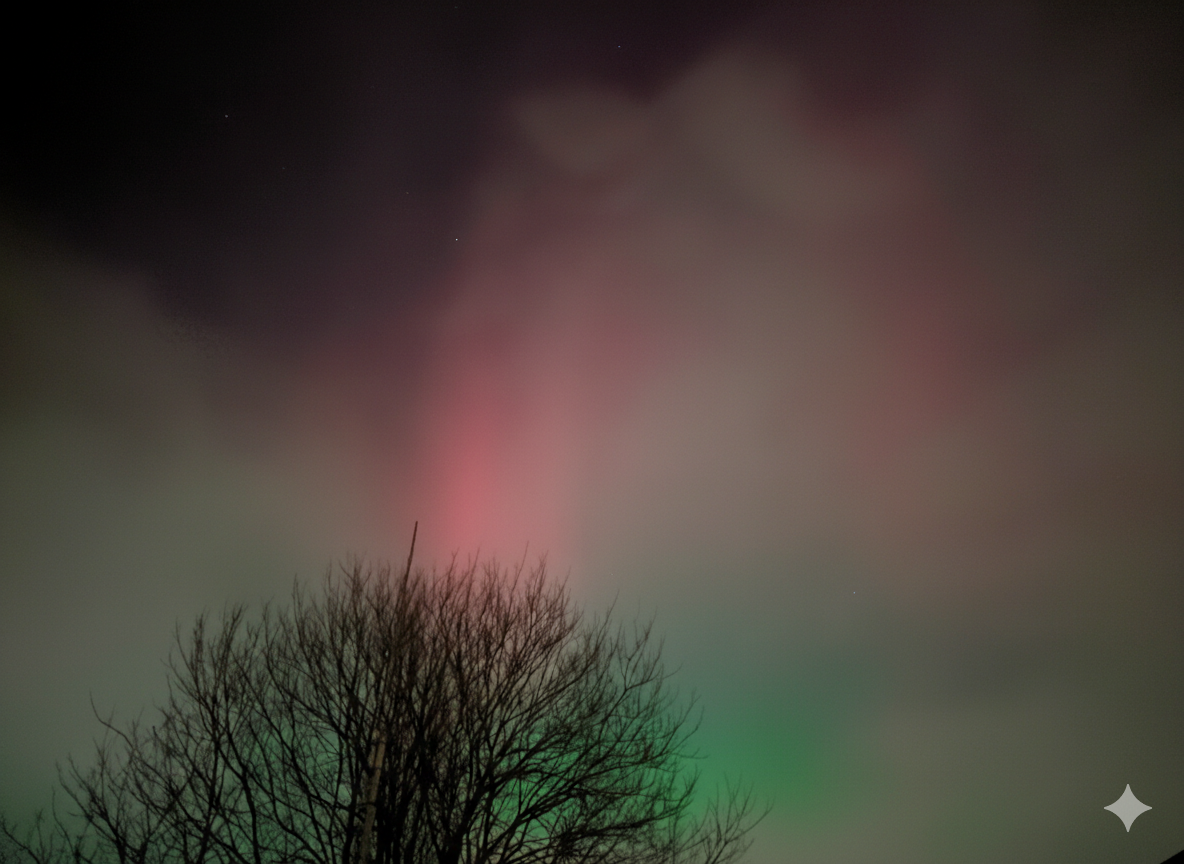
19 January 2026 · Aurora
Easily visible when the clouds parted
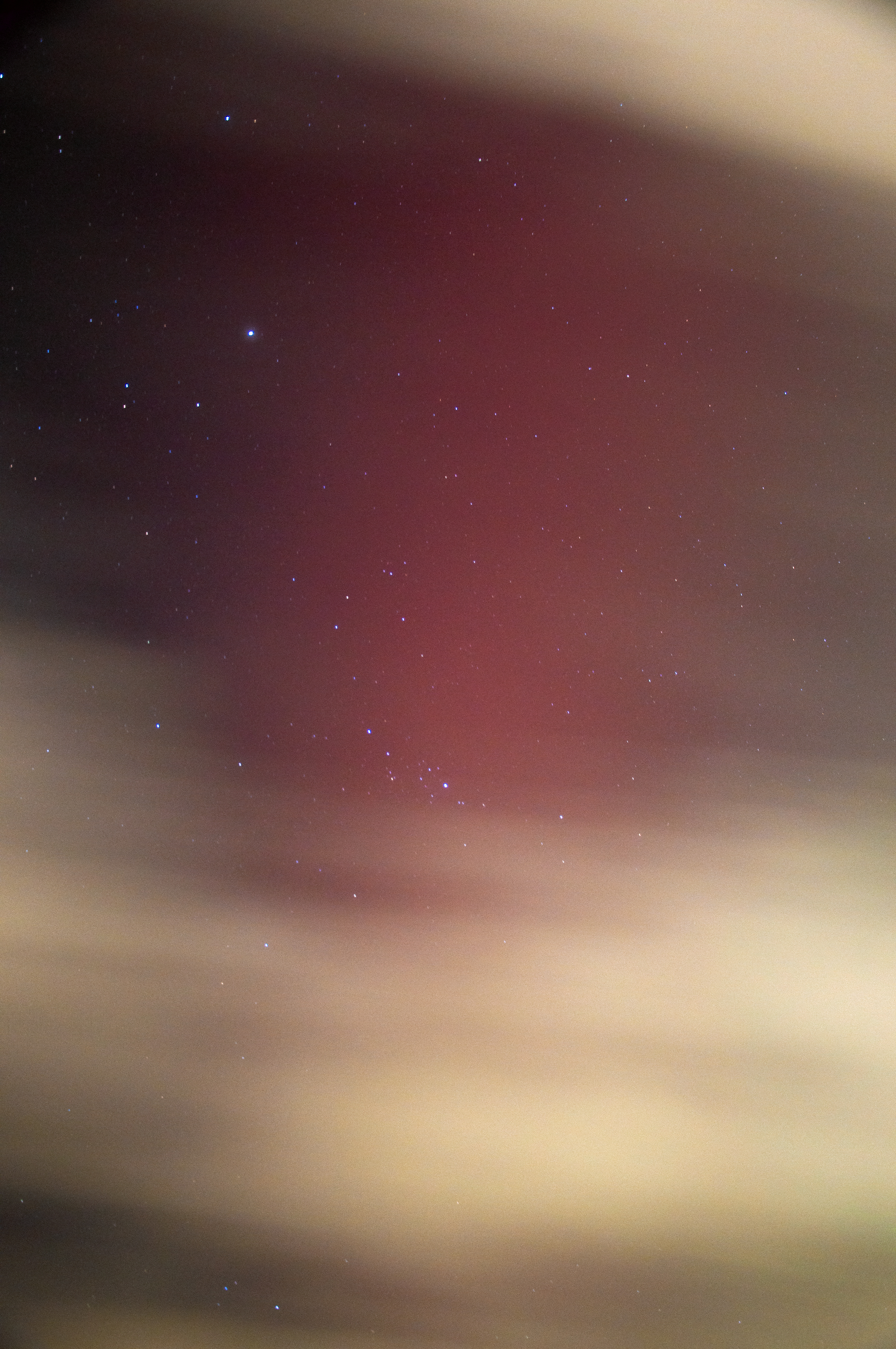
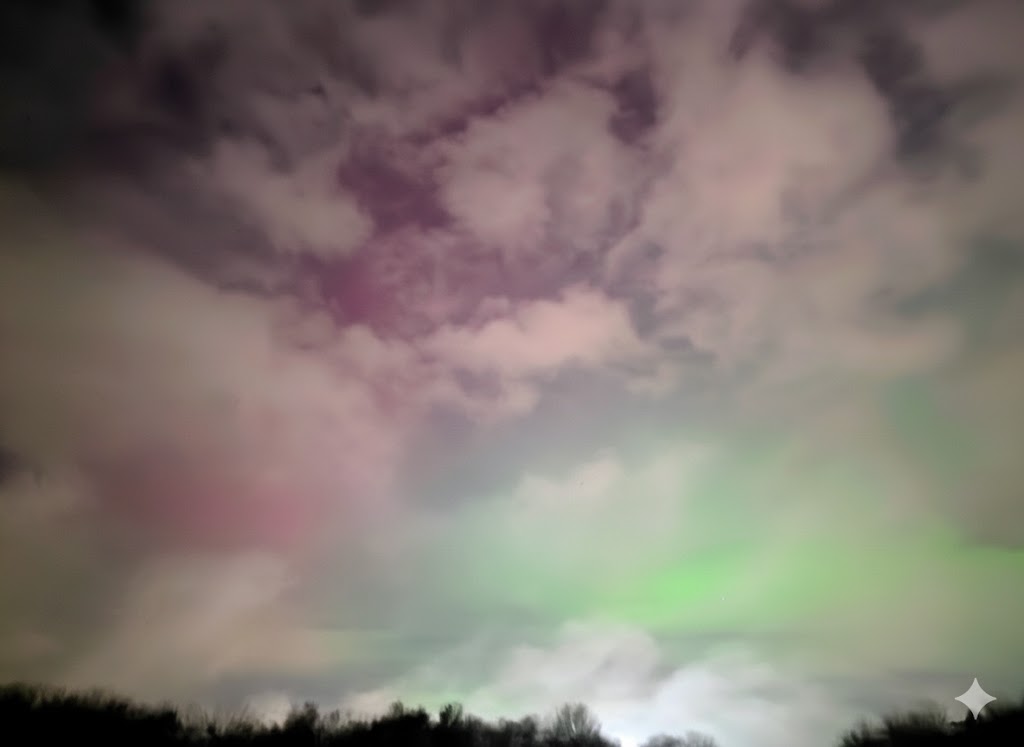
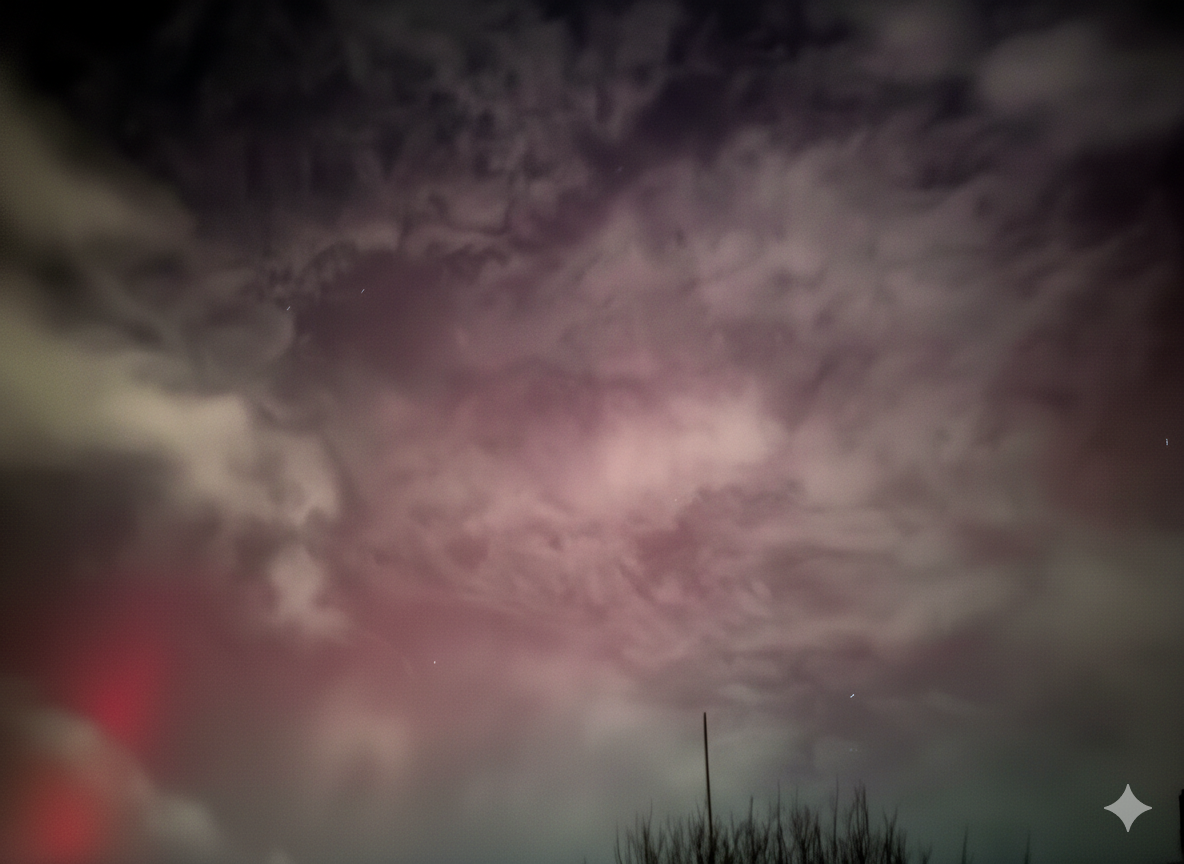
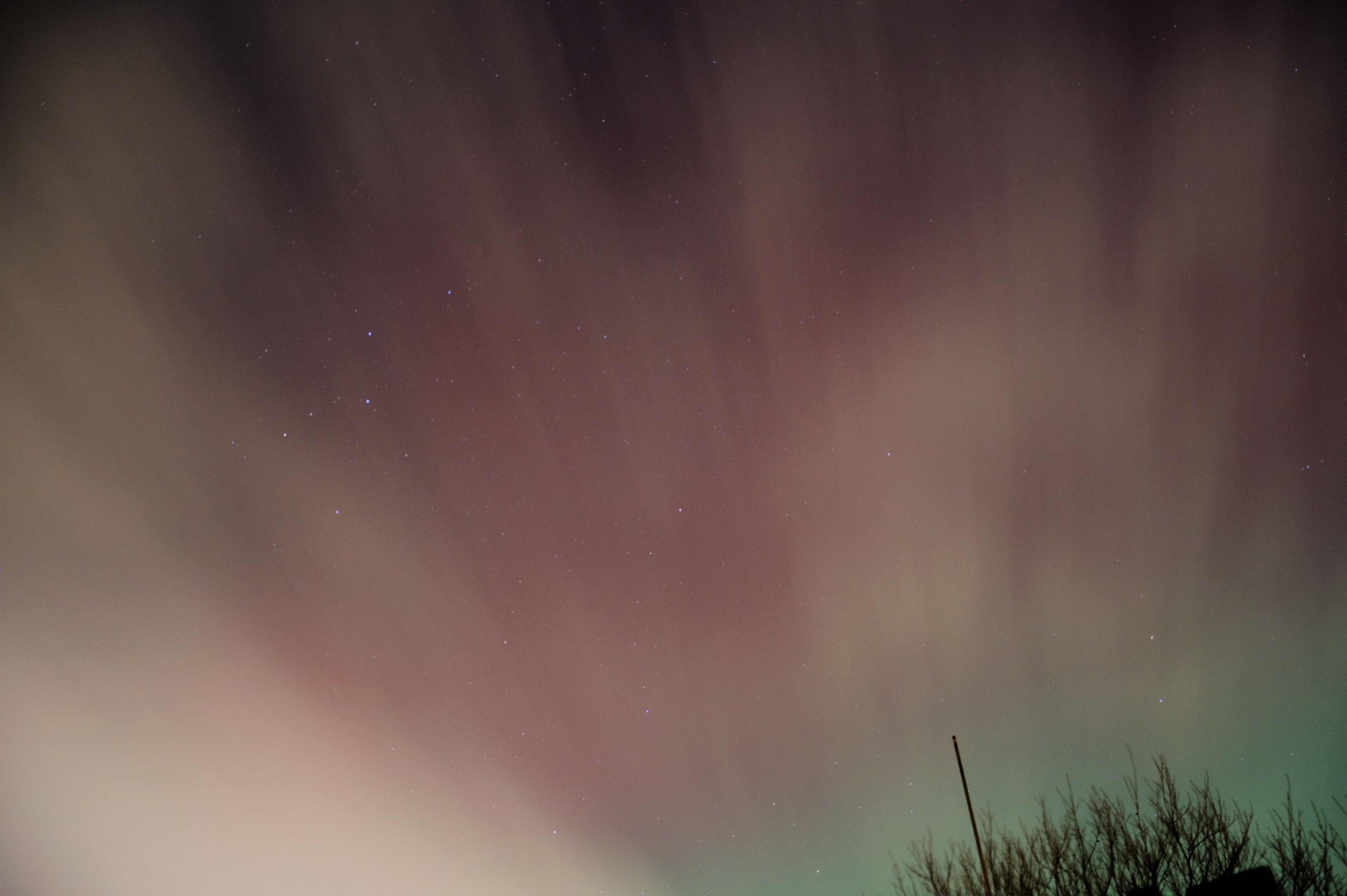
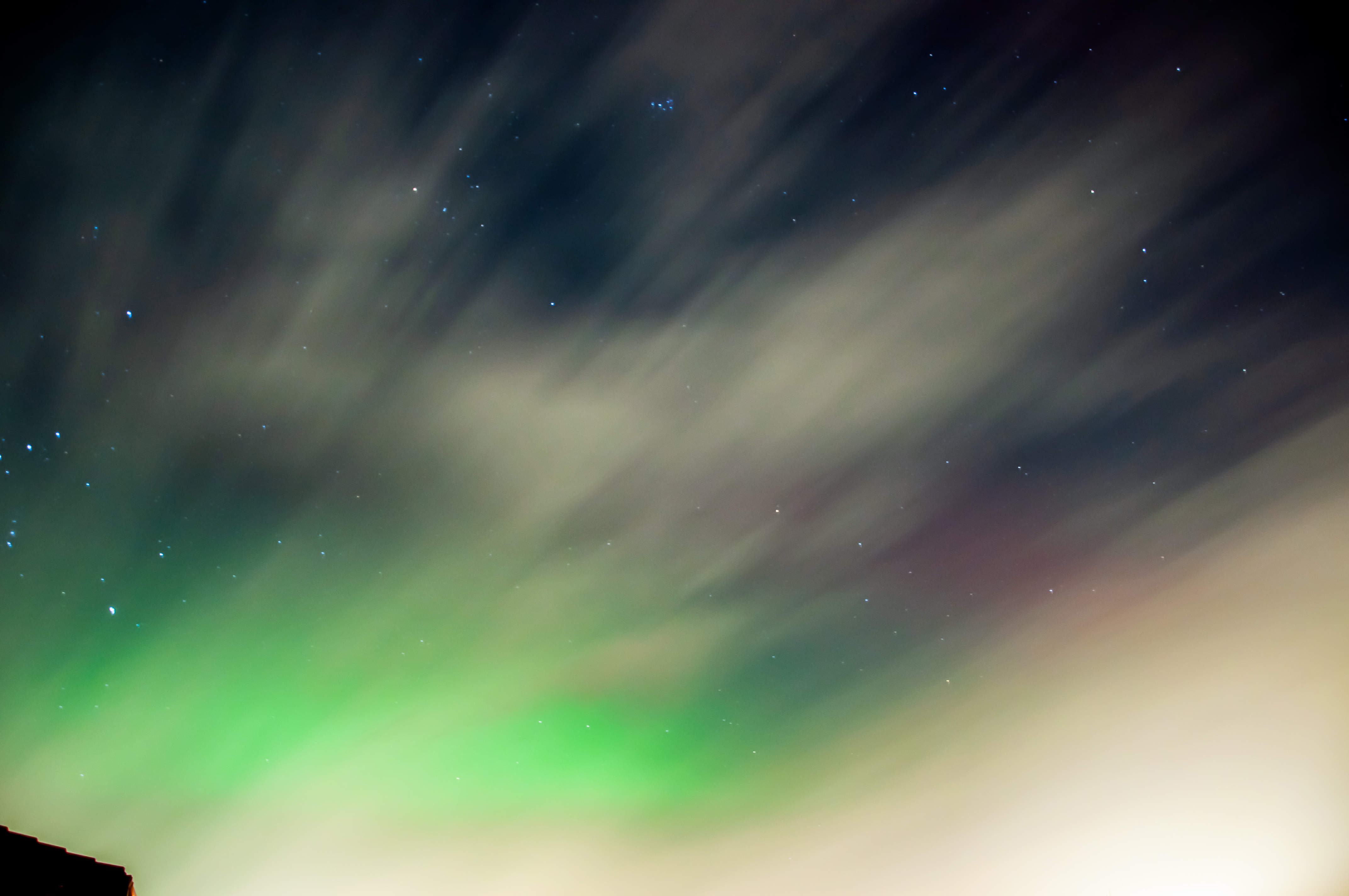
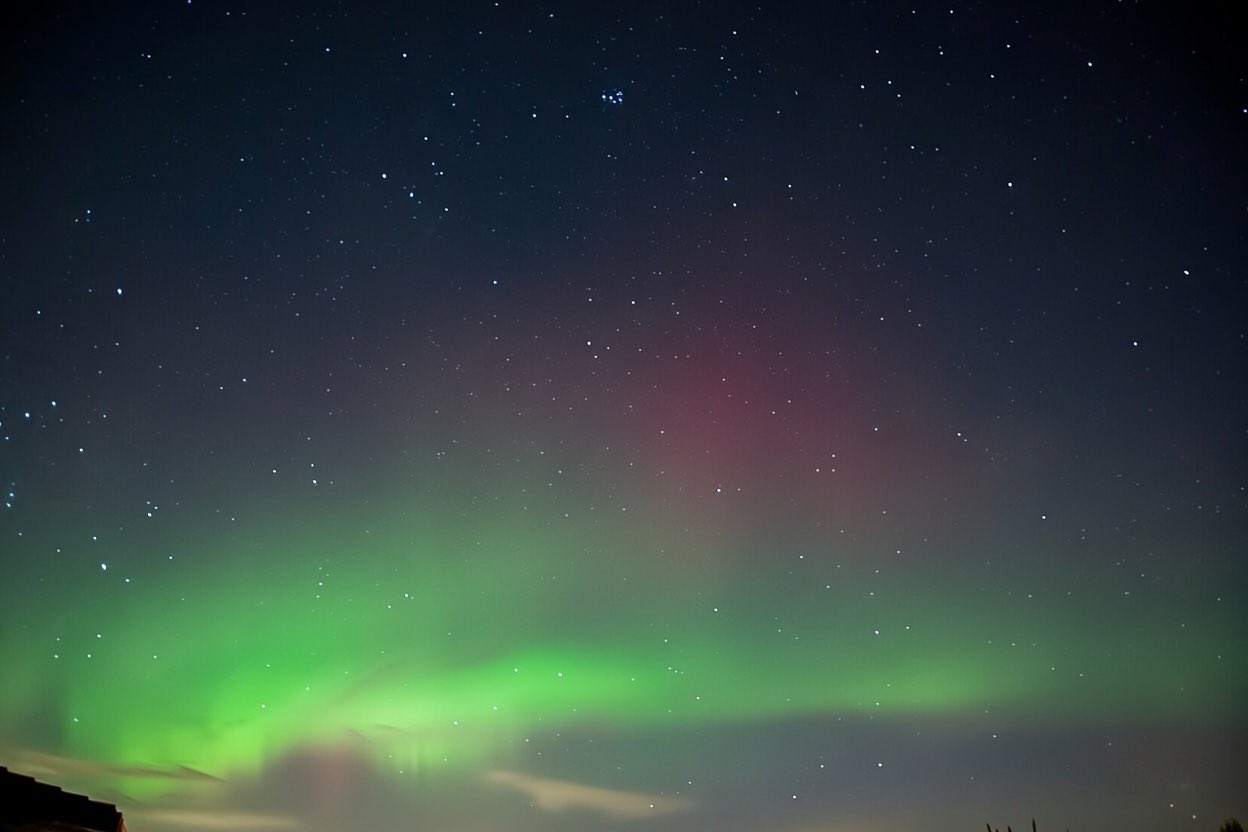
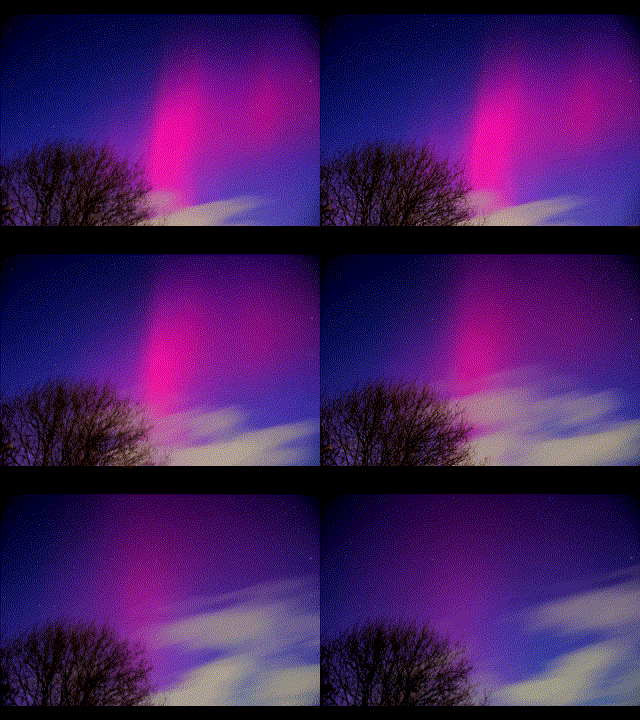
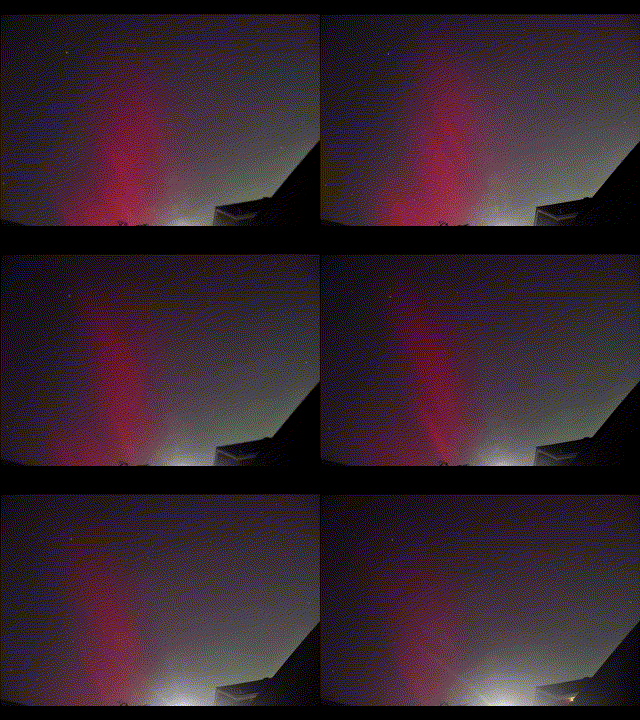
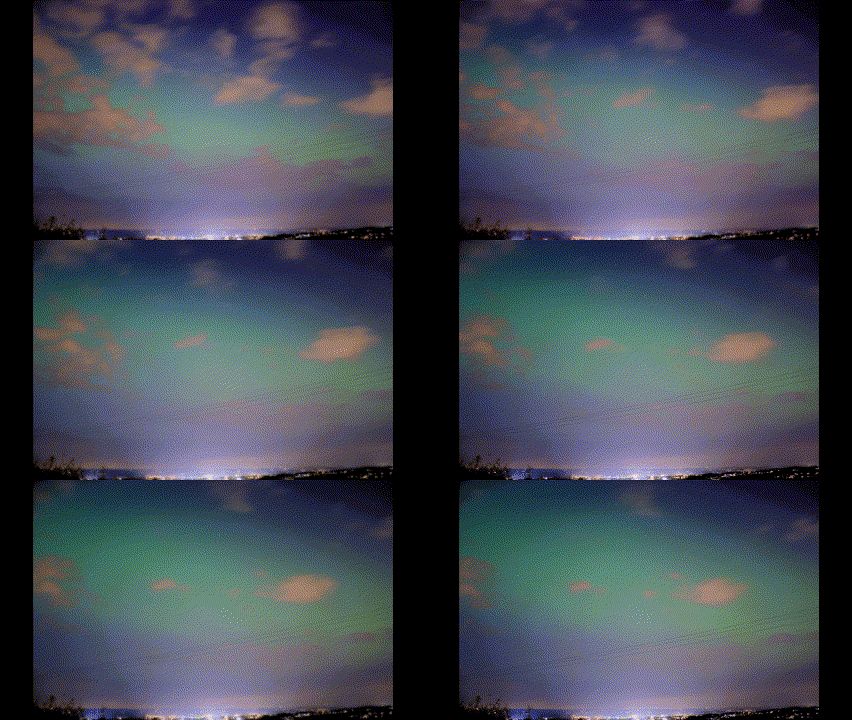
This geomagnetic storm follows a series of major aurora events over the last couple of years. Unlike earlier storms it was caused by a single ~X2 flare and CME, accelerated by an ongoing coronal hole. Heavy cloud limited visibility on the 19th (impossible on the 20th). The briefest gaps gave some dynamic compositions.
The display appeared due south from here — something I had not seen before — which shows how strong the storm was.
Grok cleared the cloud cover for comparison:
Grok Imagine prompt: Remove cloud cover and preserve both the green and red aurora
January 2026 snow
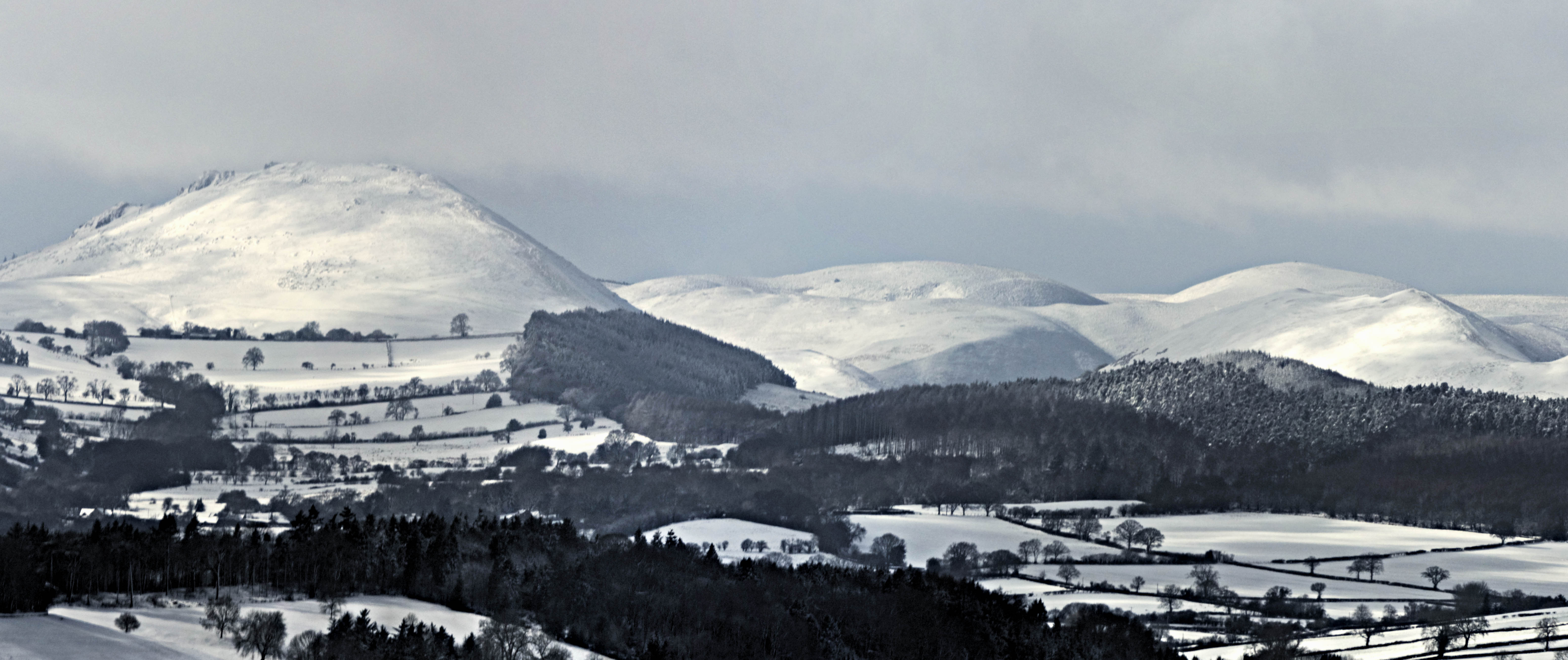
8–9 Jan — 14 cm, Storm Goretti
2 Jan — 3.5 cm
Summer 2025 · hot and dry
Four heatwaves · 34 °C season high · 31 °C in Telford on 12 August
16 April 2025 · Aurora
22:10 · visible
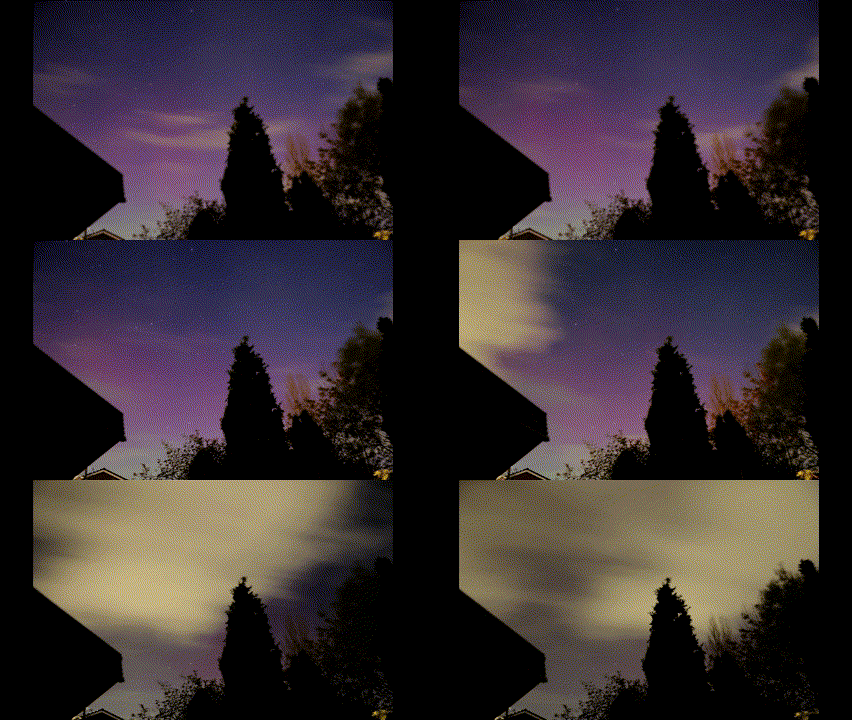
A brief bit of purple in the northern sky.
24 January 2025 · Storm Éowyn
67 mph peak gust at Shawbury
The storm slammed Ireland and Scotland with a devastating sting jet wrapped into the low.
Early January 2025 snow
5 Jan — 3 cm. 4 Jan — 3 cm.
1 January 2025 · Aurora
Super visible / naked eye — but brief
About an hour, very intense, from 17:30. Naked-eye magnetic field lines of red with a deep red background to the north. Camera (SLR and phone) picked up far more colour and detail:
There was again a Stable Auroral Red (SAR) arc overhead, west to east. I did not photograph it this time (too busy on the main display). It looked like the same thing captured in 2024: October and May.
As I understand it, a SAR is the glowing of the electric ring current around Earth, supercharged by the aurora / solar wind. It is both an aurora event and not an aurora itself — different physics.
Christmas 2024 skies
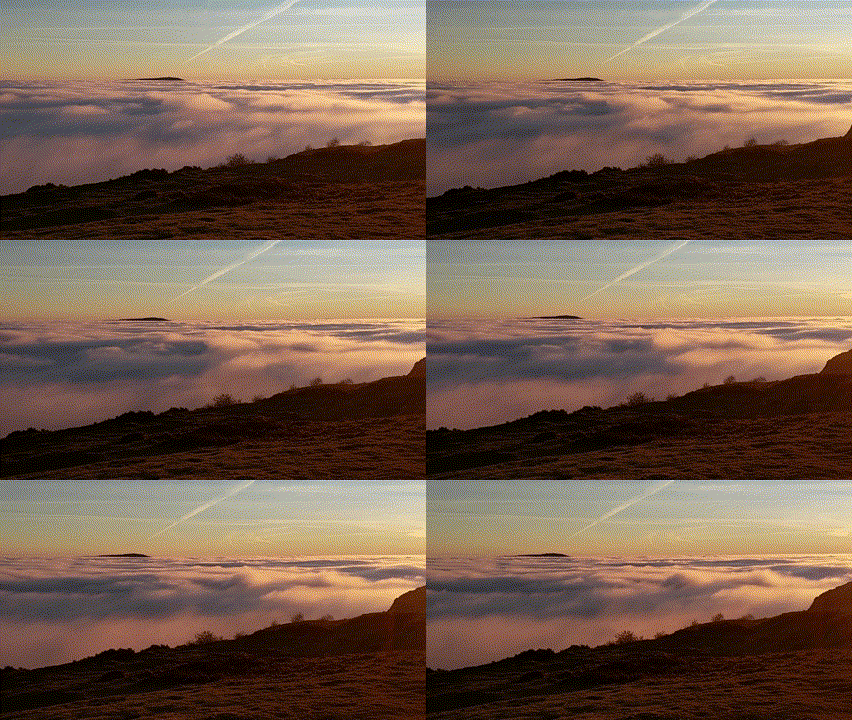
27 Dec — fog. The Wrekin above the fog.
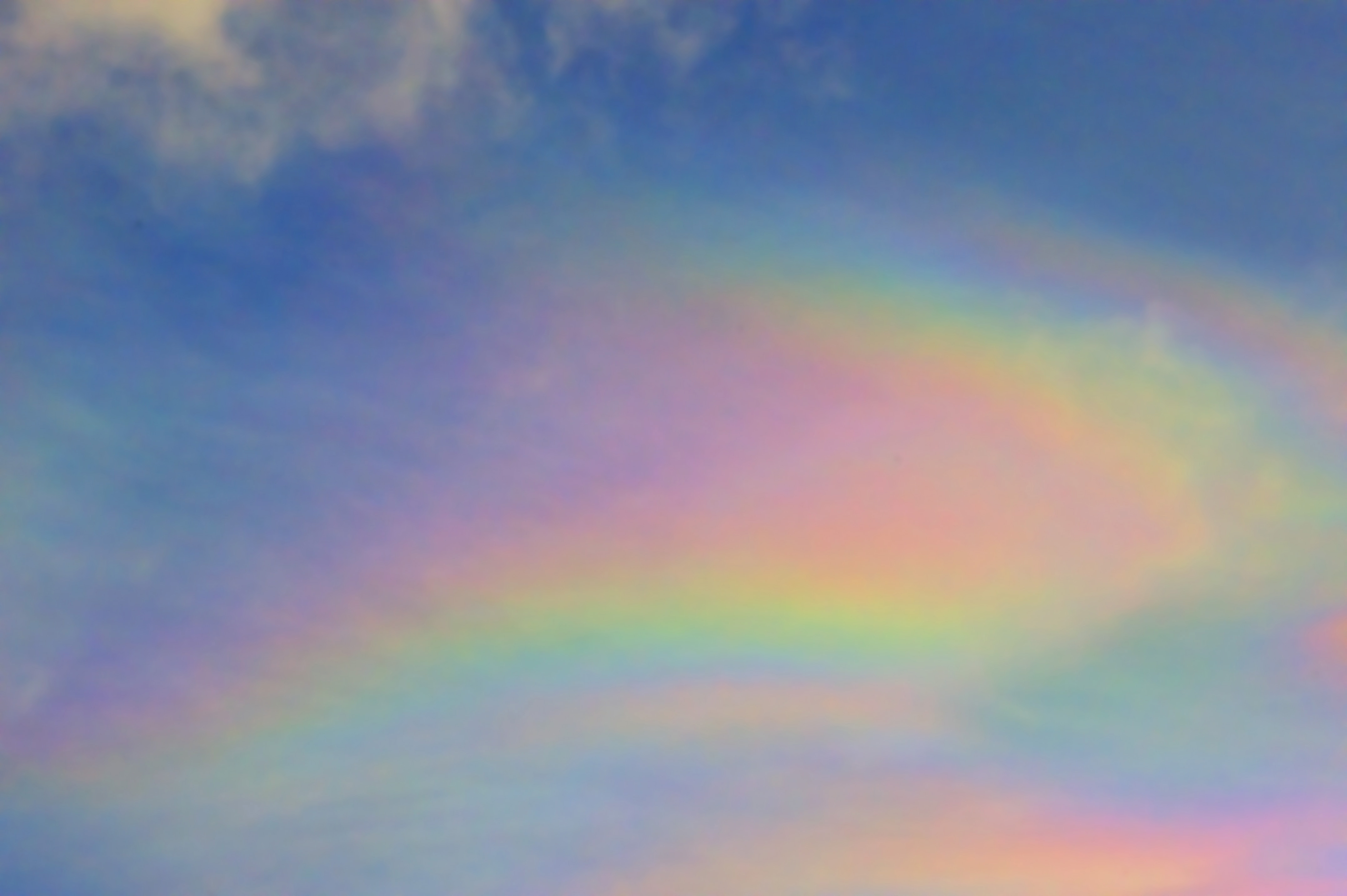
26 Dec — fogbow in Telford.
25 Dec — jellyfish (virga) cloud.
November 2024
20 Nov — snow, 4 cm
19 Nov — snow, 7 cm
10 Nov — end of two weeks of anticyclonic gloom (no sunshine)
10 October 2024 · Aurora
Super visible / naked eye
The second major geomagnetic storm of 2024, on a par with 10 May: an overhead corona, a constant green arc for hours, red and purple curtains, even orange (visual mixing of oxygen at different altitudes — red plus green). No blue (nitrogen) this time, unlike May. Crystal-clear sky, a low moon, multi-coloured aurora for the whole UK.
13 September 2024 · Aurora
A few vertical purple pillars above the horizon.
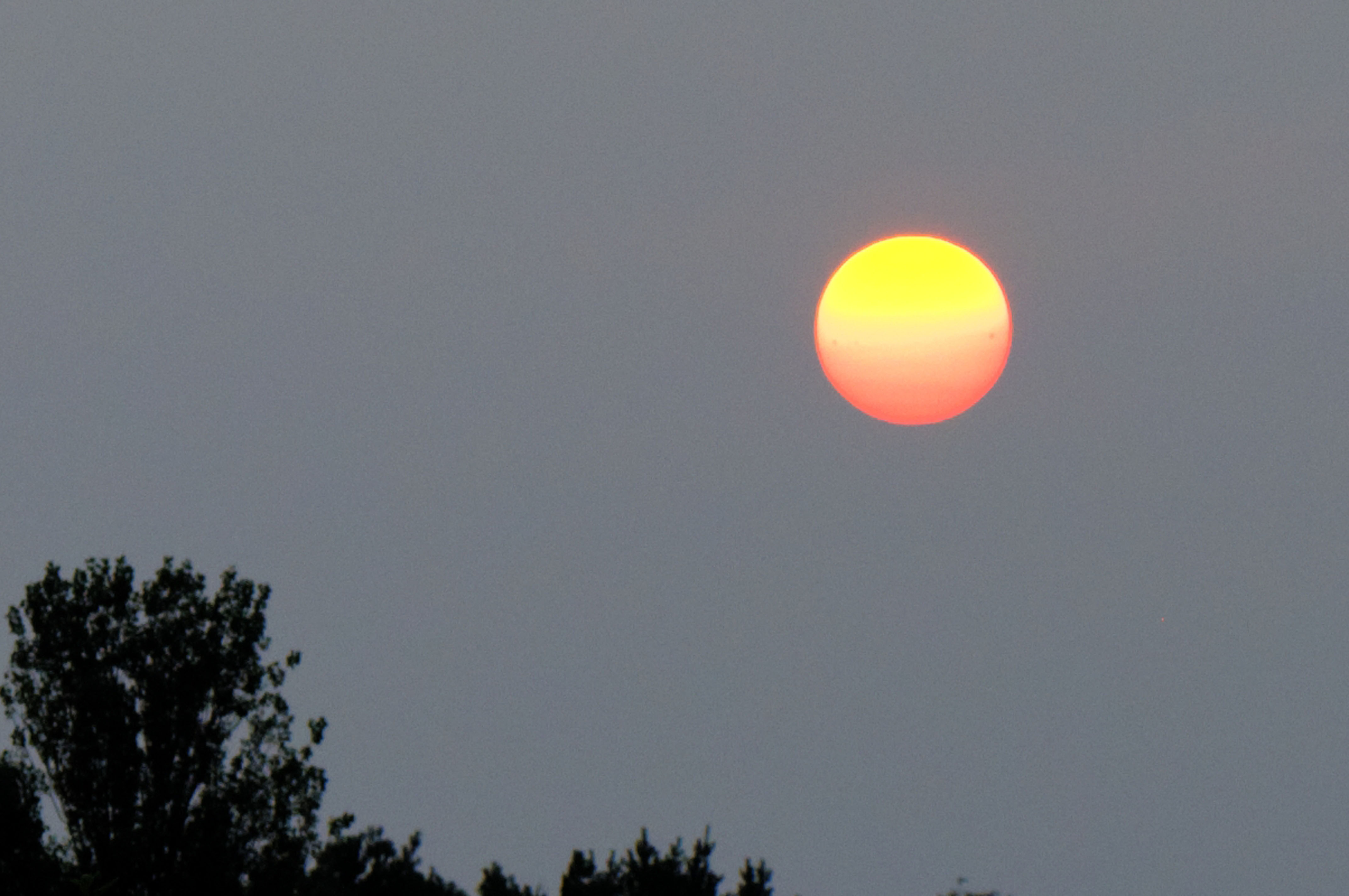
18 August 2024 · smoky sunset
Deep red through the haze a full half-hour before sunset — Tatooine weather. The dark smudge on the right of the solar disc is, I believe, sunspot 3784, which produced a brief geomagnetic storm the day before. Moonrise was a deep orange.
12–13 August 2024 · Aurora
Vertical pillars sweeping in from the left were visible to the naked eye.
10 May 2024 · Aurora
Super visible / naked eye · G5 / Kp9
This will go down as one of the most easily viewed UK displays of modern times. A conveyor of six X-class flares; the first few disturbed the field enough to put an aurora corona over the UK — overhead, not just to the north.
Phone frames captured more of the corona in one shot than the DSLR, at lower resolution: