Notes on household storage, UK grid buffers, and using surplus renewable electricity — including to train models. Newer ideas sit at the top.
National Grid as a CDN
Idea · Computer Science and RF Engineering transposed to National Grid design
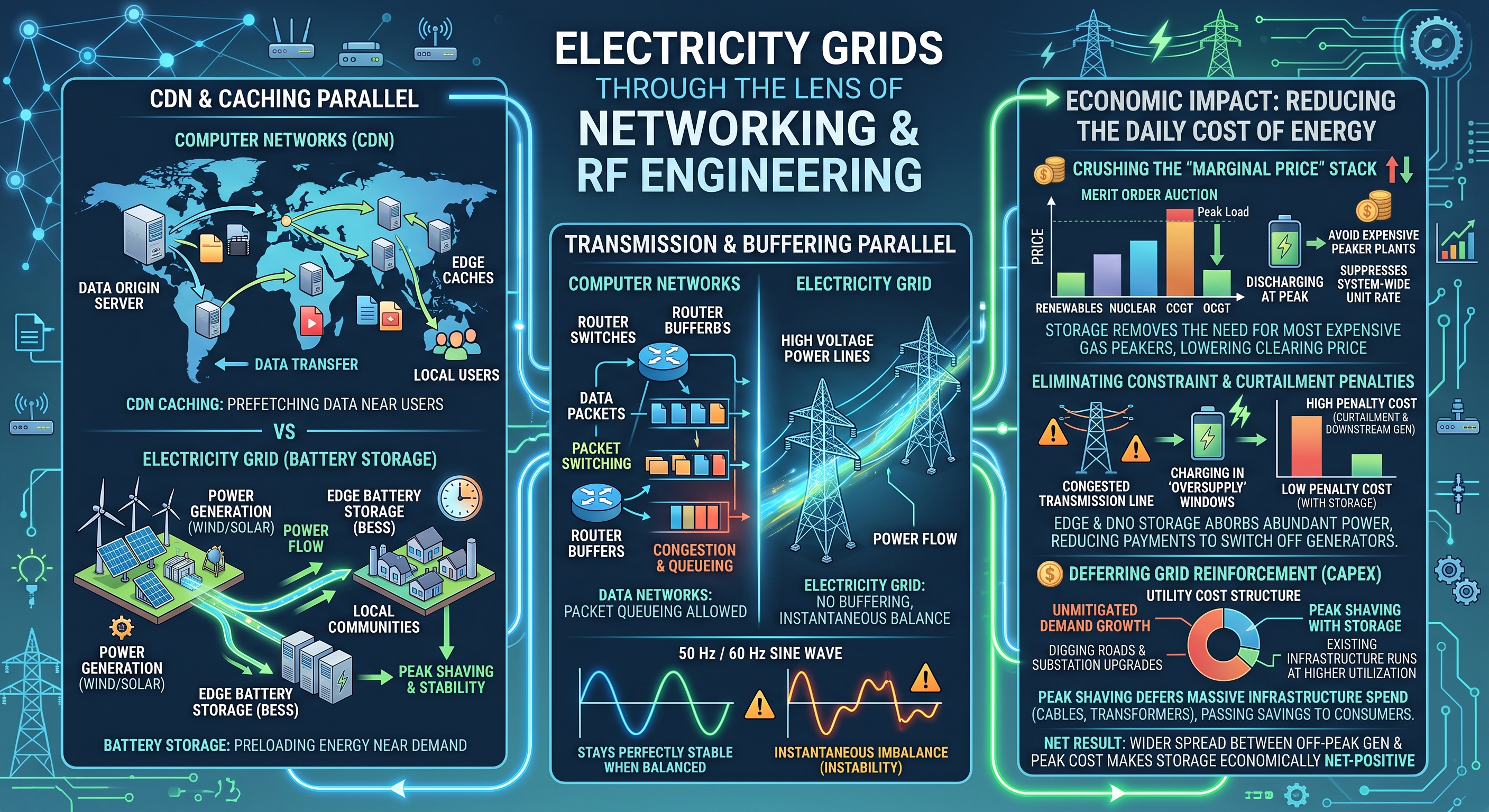
Think of the modern electricity grid as an internet network for power. Just like a streaming service pre-downloads a video so it plays smoothly without buffering, local neighbourhood and home batteries store surplus electricity during low-demand hours when power is abundant. When everyone turns on appliances in the evening, those batteries supply the power locally instead of pulling it across congested, long-distance power lines. By handling peak demand right where the electricity is actually used, the grid avoids overloads, wastes far less generated energy, and runs much more efficiently overall (IMHO)
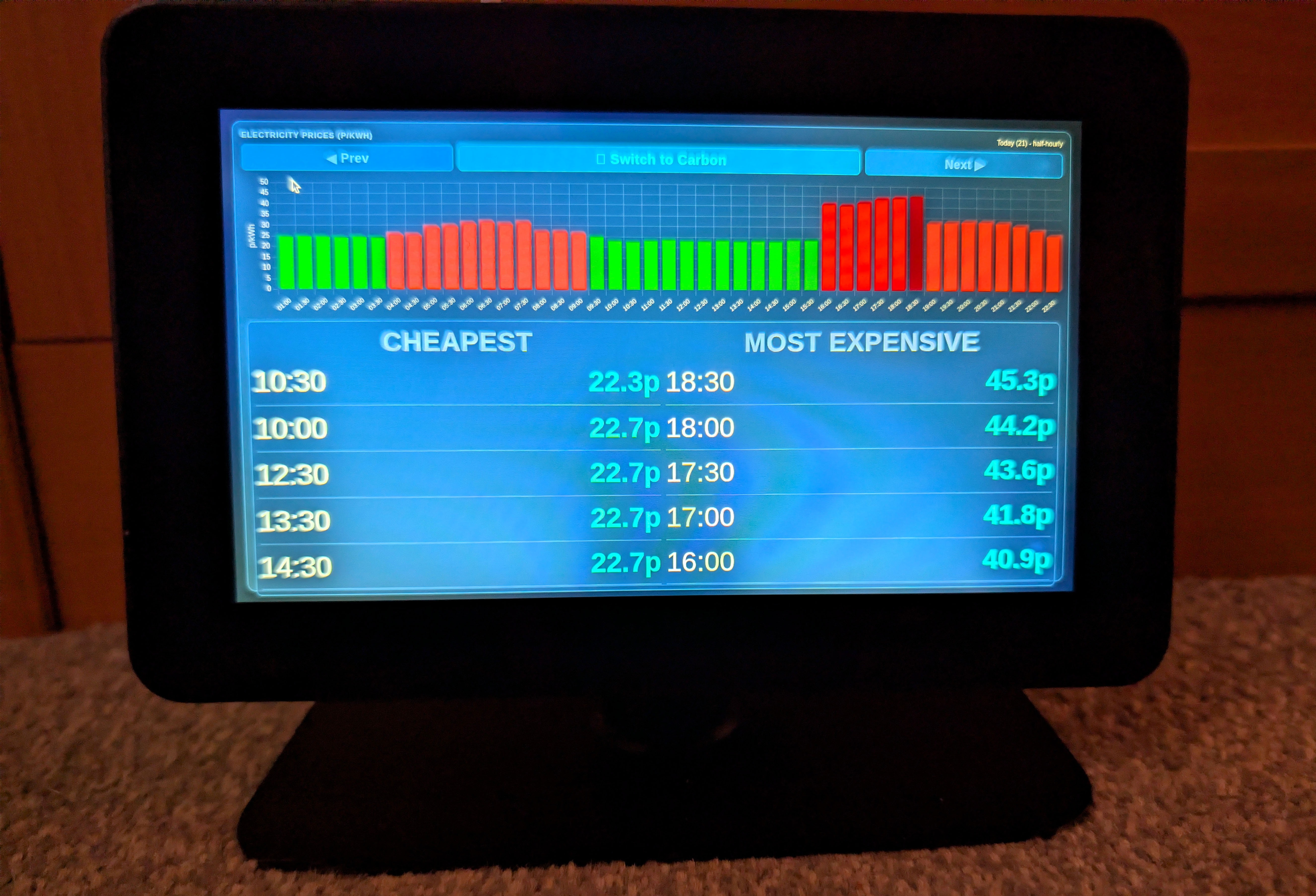
As a Director of AI (#DoAI), I instructed AI to build me an energy dashboard for my home battery system. The goal: lower energy costs by charging when prices are low and using stored power when prices are high. Smarter energy decisions, powered by knowledge.
AIEnergyTechSmartHome
10kWh Battery on every home
Thought experiment · National Grid
What if every UK home had a 10kWh battery?
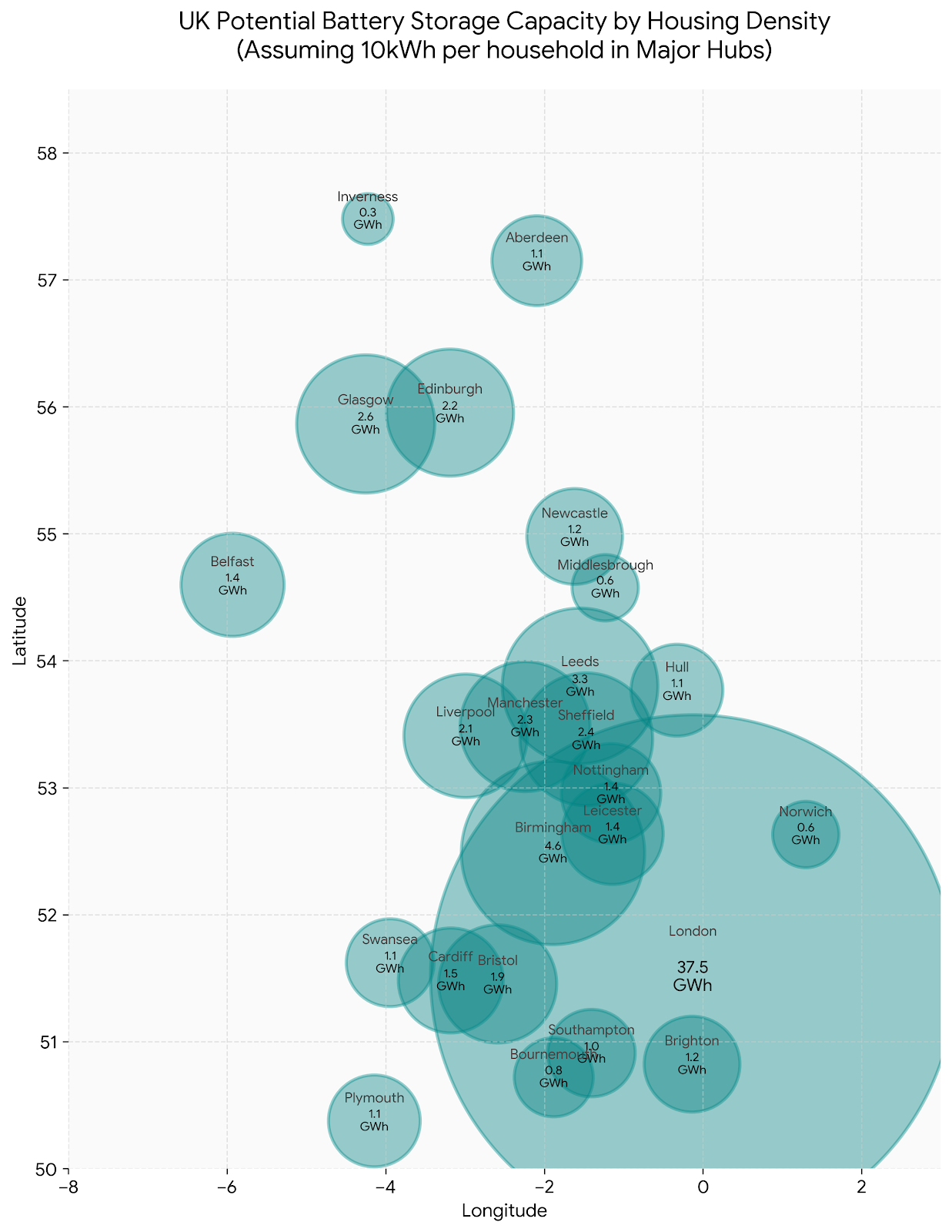
Gemini mapped out the potential decentralized storage capacity based on housing density across Britain. The results? Greater London alone could provide a massive 37.5 GWh buffer for the National Grid.
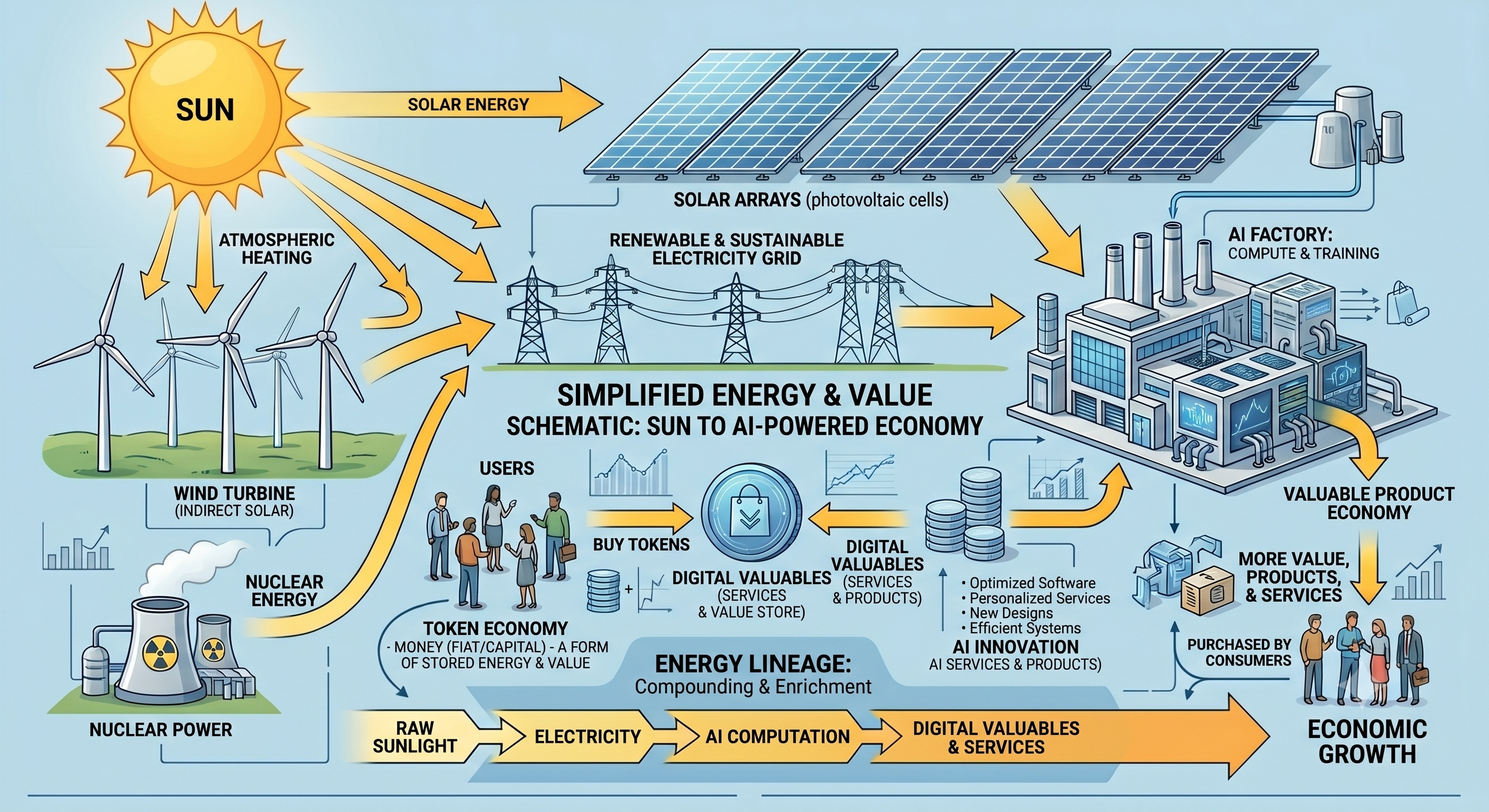
This schematic traces energy flows from the sun to solar panels and then to an AI factory that produces tokens. Users buy those tokens with money, which functions as another form of energy in the system, helping generate further value through products and services that people continue to purchase and consume. Essentially, solar energy is transformed and amplified into greater economic value. The diagram also includes wind power, shown as indirectly driven by the sun, and nuclear power, both of which also supply energy to the AI factory.
AISolarEnergyRenewableEnergyPoweringAIAIEconomy
Gas Boiler to Electric Boiler
Home retrofit · VAWT + battery
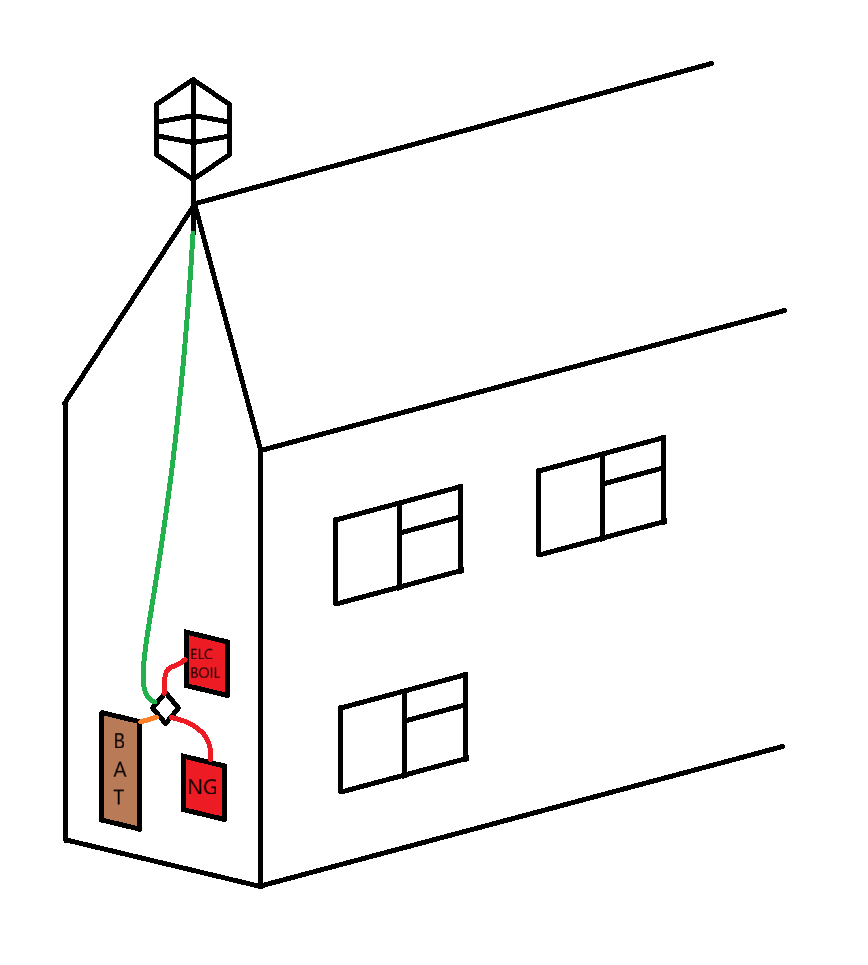
I’m wanting to go Green and remove my Gas Boiler and Gas Hob (along with the Gas meter). I’ve looked at Air Source Heat Pumps (ASHPs) and with the requirements to have a new (larger) water cylinder and associated peripherals; there is just not enough room in my airing cupboard (or elsewhere in the house) to accommodate it.
So, I’ve started looking at alternatives and I’m considering switching to an Electric central heating boiler as a 1:1 replacement for my existing Gas boiler. I realise I will be paying more on my electricity bill, but I believe this will be a net saving with the removal of the Gas Standing charge (Gas subscription) and associated yearly servicing costs.
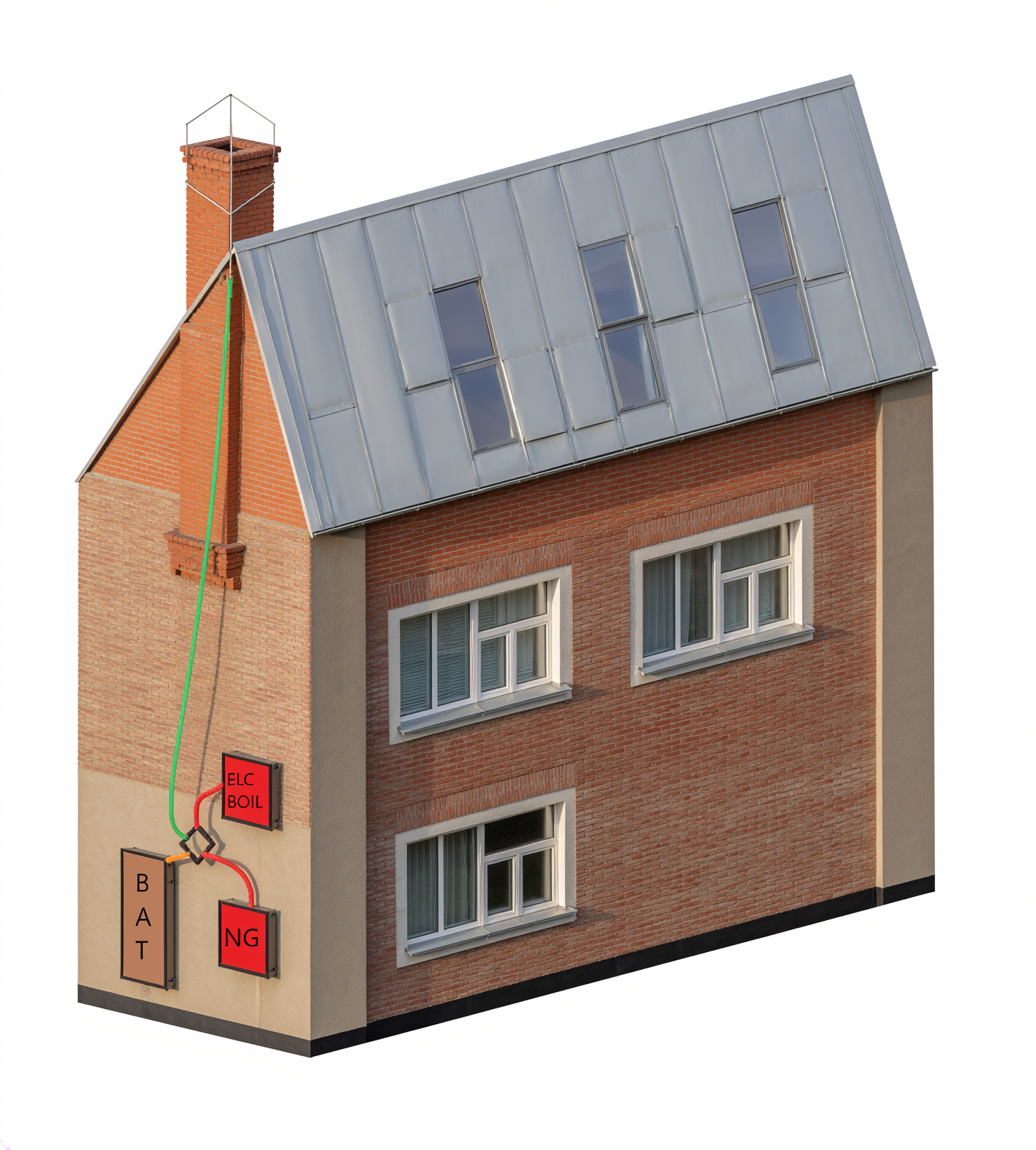
To further reduce my running costs; I’m looking at adding a vertical axis wind turbine (VAWT) to the apex of the house. This turbine will be able to run day and night (which is more likely than not in my windy 600ft ASL location). This VAWT will be used in conjunction with on-house battery storage to store the surplus free electricity along with the option of being recharged overnight on a suitably cheap tariff from the national grid.
Just for a bit of fun and to put Adobe Firefly Generative AI through its paces, I decided to ask it to “turn this sketch into an image”. The results were impressive: the generated image captured much of the essence of the original sketch, showing off the AI's ability to interpret and enhance hand-drawn concepts — albeit the object classification of the VAWT went slightly awry.
GenAIVAWTHeat
AI and Green Energy
Idea · mobile stored electricity
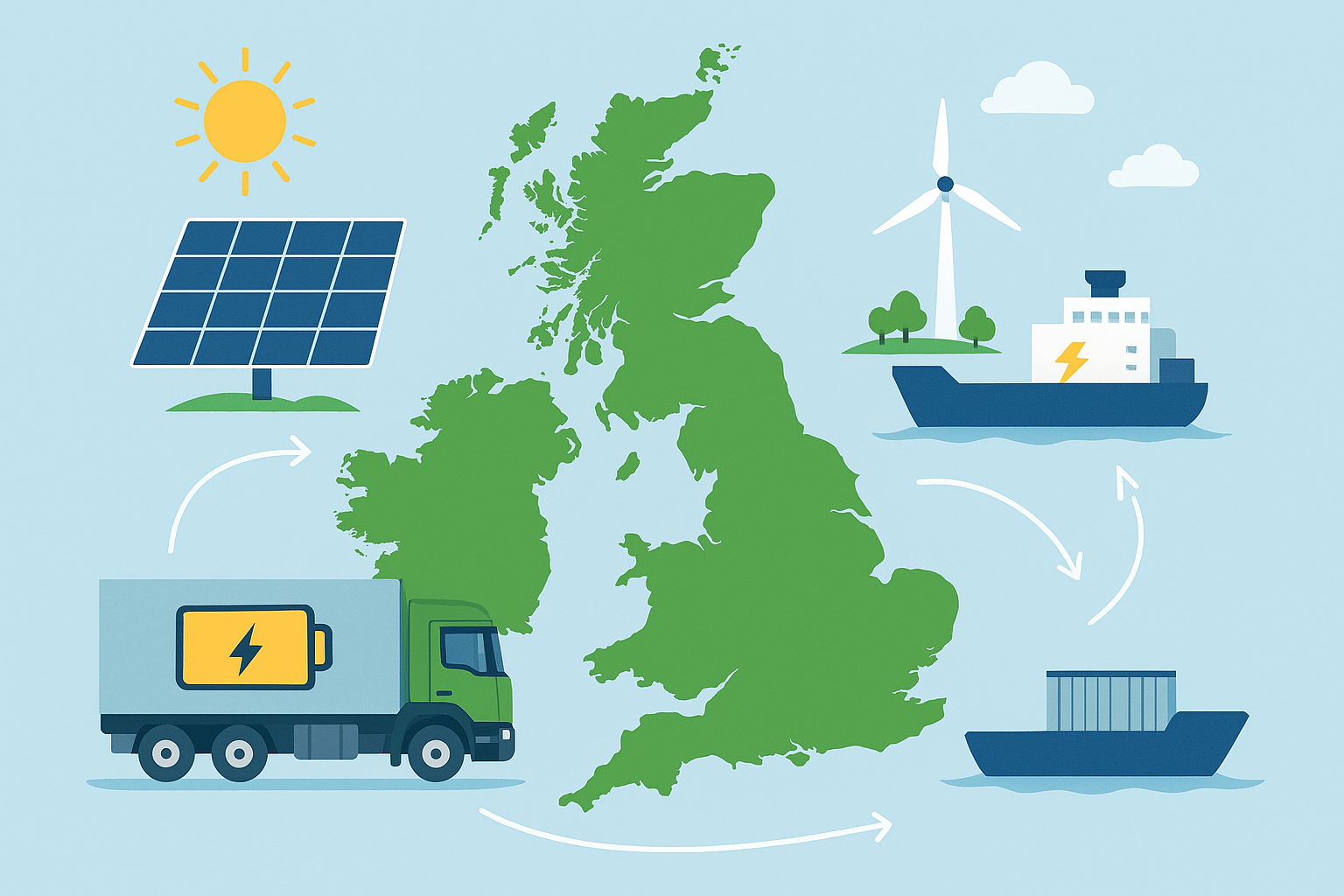
As the world accelerates its shift towards generating electricity from renewable sources like solar and wind power, a surplus of energy is becoming more prevalent. This surplus energy presents an opportunity for a potential new form of commerce: that of stored, transported and traded electricity.
One innovative solution to tackle excess energy on days when generation surpasses demand could involve utilizing battery storage systems on standby vehicles such as lorries and cargo ships. These mobile units could efficiently store the surplus electricity, acting as mobile charging points for electric vehicles or transporting the stored energy to locations where it is needed the most (then plugging in to the destination's electricity grid).
This concept could revolutionize the energy sector, paving the way for a global market in stored electricity. By leveraging these mobile storage solutions, excess renewable energy can be effectively utilized and distributed to areas requiring additional (and potentially cost effective) power. This innovative approach not only addresses the challenge of energy surplus but also contributes to greater efficiency and sustainability in the utilization of renewable resources from around the world.
Green and AI
Going green can be easier than you think. Consider opting for affordable, carbon-neutral sources to fuel your AI and machine learning models. Sustainability is within reach.
GreenTechSustainabilityAIMachineLearning
Green Energy
When faced with excessive sunlight or strong winds, there's a chance to offer discounted green energy. This energy can efficiently fuel data centers, aiding in training neural networks and running machine learning models. This approach not only reduces costs but also minimizes CO2 emissions when compared to business as usual practices.